Discover a concise, downloadable PDF that maps a four‑week sprint‑centric plan․ It blends cycling and running drills, warm‑ups, technique, and plyometrics to boost acceleration and overall speed․ Ideal for athletes seeking measurable gains in a short, structured period․ Start sprint transformation today!

Purpose and Expected Outcomes
The 4‑Week Speed Training Program PDF is designed to deliver a focused, progressive sprint regimen that elevates an athlete’s acceleration, top‑speed, and overall race performance․ By integrating cycling and running drills, plyometric bursts, hill repeats, and core stability work, the plan targets the key physiological systems that govern explosive power and neuromuscular coordination․
Participants can anticipate measurable gains in the following areas:
- Improved 100‑meter sprint times by 0․5–1․0 seconds․
- Enhanced acceleration off the line, reflected in faster 10‑meter splits․
- Greater stride frequency and length, leading to higher top speed․
- Better muscular endurance on the track, allowing sustained effort through the final 30 meters․
- Reduced risk of hamstring and calf strains through balanced plyometrics and core conditioning․
The program’s structure—five workouts per week, with a mix of strength, core, and speed sessions—ensures adequate recovery while maintaining high training intensity․ By the end of the four weeks, athletes should experience a noticeable lift in their sprint mechanics, confidence on the starting block, and the ability to maintain velocity over longer distances․
Participants will also notice improved neuromuscular coordination, better stride symmetry, and a heightened ability to sustain effort under fatigue․ The program’s balanced mix of strength, core, and speed work promotes long‑term athletic development while keeping training sessions engaging and goal‑oriented․
These results translate into race times and edge!․
Target Audience
The 4‑Week Speed Training Program PDF is crafted for athletes and fitness enthusiasts who aim to sharpen sprint performance, accelerate race times, and build explosive power․ It suits competitive runners, track sprinters, and cyclists seeking to translate speed gains into race‑day advantage․ The program is also ideal for strength coaches, personal trainers, and sports scientists who want a structured, evidence‑based sprint curriculum that can be adapted to various sports contexts․
Key characteristics of the target audience include a baseline fitness level that allows safe execution of high‑intensity drills, a commitment to a five‑day weekly schedule, and a desire to integrate strength, core, and plyometric work into a cohesive sprint plan․ Participants should be comfortable with basic running mechanics, possess a solid aerobic base, and be open to progressive overload․ The PDF offers clear progression markers, allowing beginners to scale intensity while providing advanced athletes with the challenge needed to break through plateaus․
By following this PDF, athletes will experience a structured progression that balances volume and intensity, ensuring peak performance without overtraining․ The plan’s modular design allows coaches to adjust load, rest, and specificity based on individual response, making it suitable for cross‑training, rehabilitation, or elite competition preparation․ Participants will also gain insights into periodization, recovery strategies, and data‑driven performance tracking, empowering them to make informed training decisions․ Train on!․

Download and File Formats
Download the 4‑Week Speed Training Program in PDF, TXT, or slide format․ Click the link to get the PDF, or view the text version online․ The PDF contains all workouts, warm‑ups, and drills․ The TXT version is lightweight, and the slide deck offers visual guidance․ Unlock peak performance with expert guidance daily․

PDF Download Link
Access the full 4‑Week Speed Training Program instantly by clicking the link below․ The PDF is a comprehensive, printable guide that details every workout, warm‑up, technique drill, and strength exercise designed to elevate your sprinting performance over a four‑week period․ Once downloaded, you can view, print, or share the file with teammates or coaches․ The document is lightweight, typically under 2 MB, ensuring quick download times even on mobile data connections․ For users who prefer a text‑only version, a separate ․txt file is available, and a slide deck can be viewed online for visual reference․ To download the PDF, simply click the button or link, confirm the file location, and the download will begin automatically․ If you encounter any issues, a support email is provided at the bottom of the page for assistance․
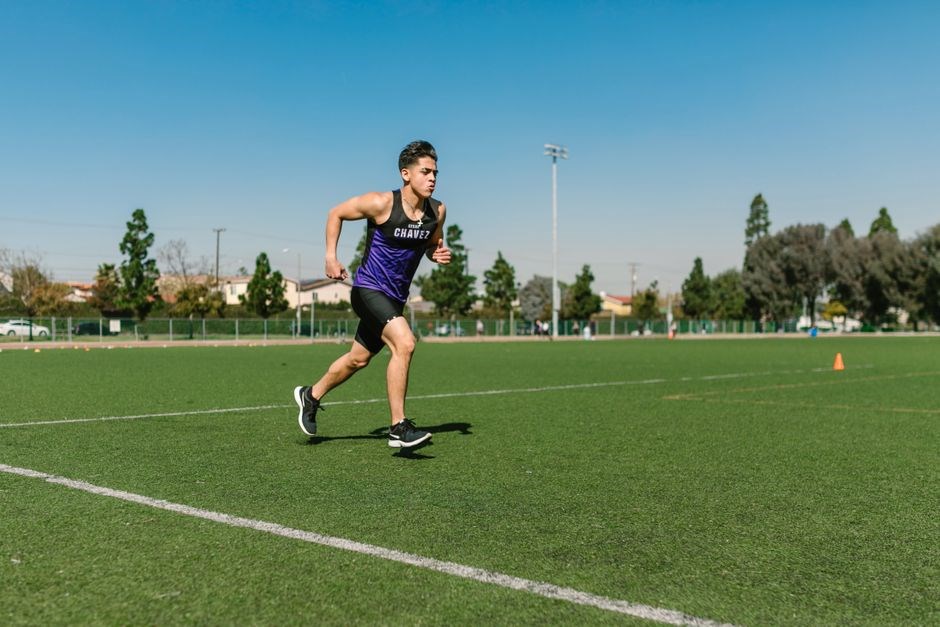
The PDF also contains a detailed weekly schedule, including rest days, mileage targets, and recovery tips․ Each session is broken into warm‑up, speed work, strength, and cool‑down phases, ensuring balanced development․ The program is adaptable; you can swap sessions or adjust intensity based on your progress․ For optimal results, pair the plan with a proper nutrition plan and adequate sleep․

The PDF includes a progress tracker table for logging times, distances, and effort․ Reviewing this data helps spot plateaus and adjust training․ Stay hydrated, maintain proper form, and heed your body’s signals to prevent injury․ Good luck and enjoy the speed gains! and keep improving daily and stay focused!
Text and Slide Versions
For those who prefer a lightweight, editable format, a plain‑text version of the 4‑Week Speed Training Program is available․ This ․txt file contains the same structured schedule, warm‑up routines, speed sets, strength exercises, and recovery guidelines as the PDF, but without any formatting or images․ It’s ideal for quick reference on the go, for copying into a spreadsheet, or for printing on a single sheet for a quick glance at the weekly plan․ The text file is organized by week, with each day’s workout clearly labeled and separated by line breaks for easy navigation․ It also includes a brief introduction, key terminology, and a summary of expected outcomes to help you stay focused on your goals․ Additionally, a slide deck is offered for visual learners․ The slide version presents the program in a clean, slide‑by‑slide format, with each slide covering a specific day or week․ This format is perfect for group coaching sessions, classroom instruction, or personal review on a tablet or laptop․ Each slide contains concise bullet points, key metrics, and a visual cue for the type of workout (e․g․, speed, strength, plyometrics)․ The slide deck can be downloaded as a ․pptx file or viewed online in a browser for instant access․ Whether you choose the text, slide, or PDF version, all formats are fully synchronized, ensuring you have consistent information across all platforms․ By selecting the format that best fits your workflow, you can seamless integrate the 4‑Week Speed Training Program into training routine and maximize your sprint performance gains․ !

Program Structure and Content
The 4‑Week Speed Training Program PDF outlines a progressive schedule: Week 1 focuses on basic speed drills, quick, Week 2 adds hill repeats, Week 3 intensifies plyometrics, and Week 4 peaks with race sets․ Each week contains five workouts, blending strength, core, and footwork to elevate sprint performance!
Weekly Workout Count and Distribution
Each week’s schedule is meticulously crafted to ensure a balanced mix of volume, intensity, and recovery, with five workouts per week․ Monday, Wednesday, and Friday are dedicated to core and strength work, focusing on compound lifts, stability drills, and functional movements that build a solid foundation for speed․ Tuesday and Thursday are reserved for high‑intensity speed, agility, and plyometric sessions, incorporating sprint intervals, change‑of‑direction drills, and multi‑jump exercises․ This structure guarantees that athletes receive adequate stimulus for neuromuscular adaptations while allowing sufficient recovery between sessions․ The progressive overload principle is applied by gradually increasing load, volume, or intensity each week, ensuring continuous improvement without risking over‑training․ Additionally, optional mobility and active recovery sessions on Saturday and Sunday, such as light cycling, yoga, or foam‑rolling, promote blood flow, reduce muscle soreness, and support long‑term performance gains․ Throughout the program, athletes are encouraged to monitor perceived exertion, heart rate, and recovery markers to fine‑tune training loads and avoid over‑reaching․ This systematic approach guarantees that each week builds upon the previous, culminating in a peak sprint performance by the end of week four․ The weekly distribution also incorporates progressive overload principles by gradually increasing the load or intensity of each session․ For strength days, the program starts with moderate loads and higher repetitions, then shifts to heavier loads with lower repetitions in later weeks, ensuring continuous strength gains․ Speed days emphasize quality over quantity, with short, explosive intervals followed by adequate rest periods to maximize power output․ Plyometric sessions focus on jump mechanics, depth jumps, and bounding drills that enhance neuromuscular coordination․ Throughout the program, athletes are encouraged to monitor perceived exertion, heart rate, and recovery markers to fine‑tune training loads and avoid over‑reaching․ This systematic approach guarantees that each week builds upon the previous, culminating in a peak sprint performance by the end of week four․
Core, Strength, and Plyometric Focus
The core, strength, and plyometric elements of the 4‑week PDF are designed to create a robust power base that translates into faster sprint times․ Strength sessions focus on compound lifts such as squats, deadlifts, and just lunges, performed with moderate to heavy loads and controlled tempo to build maximal force production․ Core work is interwoven throughout, featuring planks, side‑planks, and rotational exercises that stabilize the spine and improve transfer of power from the lower to upper body․ Plyometric drills—depth jumps, bounding, and single‑leg hops—are scheduled twice a week, emphasizing explosive concentric action and rapid eccentric deceleration․ Each plyometric session is preceded by a dynamic warm‑up that activates the hip flexors, glutes, and hamstrings, ensuring the athlete’s nervous system is primed for high‑velocity movement․ The program employs a progressive overload strategy: week one introduces foundational movements with lower intensity, week two increases load and complexity, week three focuses on speed of execution, and week four peaks with maximal effort drills․ Recovery protocols such as foam‑rolling, mobility work, and active rest are embedded to maintain tissue health and prevent injury․ By integrating these core, strength, and plyometric components, the PDF provides a comprehensive framework that improves sprint mechanics and overall athleticism, allowing participants to achieve measurable gains in acceleration, top speed, and muscular endurance within a single month Stay consistent!․
- Dynamic warm‑ups target hip flexors, glutes, and hamstrings․
- Core stability drills include planks, side‑planks, and rotational work․
- Plyometric emphasis on depth jumps, bounding, and single‑leg hops․
- Sprint technique drills focus on proper foot strike and cadence․
- Recovery sessions include foam‑rolling, mobility work, and light cycling․
Speed, Direction, and Footwork Drills
Speed, direction, and footwork drills form the crux of the 4‑week PDF, honing neuromuscular coordination for rapid acceleration and agile maneuvering․ The program schedules two dedicated sessions weekly, each blending sprint intervals, change‑of‑direction circuits, and ladder drills․ Sprint intervals use 30‑meter repeats at 90‑95% effort, interspersed with 20‑second recovery jogs to preserve velocity․ Change‑of‑direction circuits involve 5‑to‑10‑meter shuttles, 45‑degree cuts, and 180‑degree pivots, emphasizing explosive deceleration and re‑acceleration․ Ladder drills—such as the 5‑step, 3‑step, and 2‑step patterns—improve foot placement, stride frequency, and balance․ Each drill set is preceded by a dynamic warm‑up that activates the hip flexors, calves, and quadriceps, ensuring optimal joint mobility․ The PDF recommends progressive overload: week one focuses on technique, week two adds intensity, week three increases volume, and week four peaks with maximal effort․ Recovery protocols—foam‑rolling, mobility work, and active rest—are embedded to maintain tissue health․ By integrating these drills, athletes develop faster reaction times, sharper direction changes, and efficient footwork, translating into measurable sprint performance gains within a month․

Each footwork drill is timed to build speed endurance, using a metronome to maintain consistent cadence; The program includes ladder drills, dot drills, and cone drills that sharpen lateral movement improve proprioception․ Athletes daily are encouraged to record their times to track progress, to adjust rest intervals based on fatigue levels․ Coaches recommend incorporating video analysis to fine‑tune foot placement stride mechanics․ Plyometric jumps are paired with footwork to enhance explosive power, acceleration translates into performance․ Holistic approach guarantees athletes run consistently faster, move efficiently through spaces․

Key Training Components
The PDF outlines core, strength, plyometric, speed, direction, and footwork drills․ Warm‑ups, technique, speed sets, multi‑jumps, hills, and abdominal work build power and agility․ Structured weekly sessions ensure progressive overload and measurable sprint gains․ 4‑week plan․
Warm‑up, Technique, and Speed Sets
Before each sprint session, the PDF recommends a dynamic warm‑up lasting 10–12 minutes․ This includes high‑knee marches, butt kicks, lunges, and leg swings to elevate heart rate and mobilize joints․ Following the warm‑up, athletes perform technique drills such as “A‑shapes,” “B‑shapes,” and “C‑shapes” to reinforce proper stride mechanics, hip rotation, and arm swing․ These drills are executed at 60–70 % effort, ensuring neuromuscular readiness without fatigue․ Warm‑up and technique are repeated twice a week, with a focus on progressive load and form refinement․ Speed sets are the core of the program․ Each week contains two dedicated speed days featuring interval work at 85–95 % maximum effort․ For example, 4 × 200 m sprints with 90 seconds rest, or 6 × 100 m repeats with 60 seconds recovery․ The PDF stresses maintaining a 1:1 work‑to‑rest ratio for maximal velocity development․ Athletes are instructed to focus on explosive starts, full‑body drive, and efficient braking at the finish․ Recovery between sets is critical; the PDF advises 30–45 seconds of light jogging or walking, followed by static stretches targeting hip flexors, hamstrings, and calves․ After the final sprint, a cool‑down jog and mobility routine help prevent DOMS and promote flexibility․ The program also includes a progressive overload principle, gradually increasing sprint distance or intensity each week․ Coaches are encouraged to monitor heart rate and perceived exertion to avoid overtraining․ The PDF provides a template for logging sessions, noting sprint times, rest intervals, and subjective effort․ This data collection supports adjustments and goal tracking․ Additionally, the guide recommends integrating plyometric drills on non‑speed days to enhance power output․ Athletes should also maintain adequate hydration and nutrition to support recovery․ By integrating structured warm‑ups, technique drills, and high‑intensity speed sets, the program builds a solid foundation for sustained sprint performance․ Consistency, proper form, and progressive overload are the pillars of this four‑week sprint transformation plan․
Multi‑Jumps, Hills, and Abdominal Exercises
In the 4‑Week Speed Training Program PDF, multi‑jump drills are prescribed on two non‑speed days each week․ Athletes perform 3–4 sets of 8–10 consecutive hops, alternating between lateral bounds, depth jumps, and single‑leg hops․ Each jump is executed with a quick, controlled landing, emphasizing vertical force and rapid rebound․ The program recommends a 30‑second rest between sets, allowing for partial recovery while maintaining a high training intensity․ Hill work is integrated on the third day of the sprint cycle․ A 200‑meter hill with a 6–8 % incline is tackled at 90 % effort, followed by a downhill jog for recovery․ The PDF stresses proper posture: shoulders back, hips forward, knee bend on ascent, controlled descent to avoid braking forces․ Hill repeats increase from 3 sets in Week 1 to 5 sets by Week 4, rest intervals 90 seconds․ Abdominal conditioning is a staple across all sessions․ Core routines include planks, side planks, bicycle crunches, reverse crunches, performed for 3 sets of 30–45 seconds or 15–20 reps․ The PDF advises athletes to engage the core during every sprint and jump to stabilize the pelvis and enhance power transfer․ Additionally, the guide recommends incorporating dynamic core movements such as standing cable rotations and medicine‑ball throws on the strength days to build functional strength․ All exercises are logged, noting volume, intensity, and effort․ This systematic approach ensures progressive overload, injury prevention, and measurable gains in explosive power and core stability over the 4‑week period for athletes and coaches․