The Cooking Merit Badge Worksheet PDF is a 33-page guide for Scouts, offering fillable fields, meal planning templates, and checklists to track progress toward earning the badge. Updated in 2024, it aligns with official requirements and provides essential tools for learning food safety, nutrition, and cooking methods, helping Scouts develop self-reliance and healthy cooking skills.
Overview
The Cooking Merit Badge Worksheet PDF is a comprehensive 33-page document designed to assist Scouts in earning the Cooking Merit Badge. It includes fillable fields, meal planning templates, and checklists to track progress. The workbook covers essential topics such as food safety, nutrition, cooking methods, and menu planning, providing Scouts with practical tools to develop their culinary skills. Updated in 2024, it aligns with the official requirements from Scouts BSA and Scouting.org. The document is structured to guide Scouts through the merit badge process, ensuring they meet all necessary criteria. It also offers resources for organizing thoughts and preparing for counseling sessions. This workbook is a valuable resource for Scouts aiming to master cooking skills for both home and outdoor settings, promoting self-reliance and healthy meal preparation.
Purpose
The primary purpose of the Cooking Merit Badge Worksheet PDF is to guide Scouts through the process of earning the Cooking Merit Badge. This 33-page document serves as a structured tool, providing fillable fields, meal planning templates, and checklists to ensure Scouts meet all requirements efficiently. By organizing their progress, Scouts can track their learning and preparation, from understanding food safety to mastering cooking techniques. The workbook also encourages Scouts to explore the broader applications of cooking, such as adopting a healthy lifestyle or pursuing culinary interests beyond the badge. Its ultimate goal is to equip Scouts with essential skills that promote self-reliance and confidence in the kitchen, whether at home or in outdoor settings.
Importance of Food Safety
Food safety is crucial for preventing foodborne illnesses and ensuring healthy meals. Proper handling, storage, and cooking techniques are emphasized in the Cooking Merit Badge Worksheet to protect health and well-being.
Key Principles
The Cooking Merit Badge Worksheet PDF emphasizes key principles of food safety, including proper handling, storage, and cooking techniques to prevent contamination and foodborne illnesses. Scouts learn to follow safe food practices, such as maintaining proper temperatures for cooking and refrigeration, to ensure meals are healthy and safe to eat. The workbook highlights the importance of cleanliness, hygiene, and cross-contamination prevention, which are critical for both home and outdoor cooking environments. By mastering these principles, Scouts can confidently prepare meals while protecting themselves and others from potential health risks. These foundational concepts are essential for earning the Cooking merit badge and fostering lifelong healthy cooking habits.
Safe Handling and Storage
The Cooking Merit Badge Worksheet PDF places a strong focus on safe handling and storage practices to ensure food safety and quality. Scouts learn to identify proper techniques for storing ingredients, preventing cross-contamination, and maintaining appropriate temperatures for perishable items. The workbook provides checklists and guidelines for handling raw, cooked, and ready-to-eat foods, emphasizing cleanliness and hygiene. These practices are essential for preparing safe and healthy meals, whether at home or in outdoor settings. By mastering these principles, Scouts can confidently manage food storage and handling, reducing the risk of foodborne illnesses and ensuring meals are both nutritious and safe to consume. This section is critical for meeting the merit badge requirements and developing good cooking habits.

Nutrition Basics
The Cooking Merit Badge Worksheet PDF covers essential nutrition principles, focusing on macronutrients (carbohydrates, proteins, fats) and micronutrients (vitamins, minerals). Understanding these elements helps Scouts prepare balanced, healthy meals that promote energy and overall well-being, aligning with the merit badge’s educational goals. This foundation is vital for developing lifelong healthy eating habits and meeting dietary needs. Scouts learn how nutrients function in the body and their importance in maintaining a nutritious diet. This section emphasizes the role of food in sustaining health and preventing deficiencies, key to the cooking merit badge curriculum. Proper nutrition is fundamental for physical performance and mental clarity, making it a cornerstone of the program. By grasping these basics, Scouts can make informed food choices and create meals that support optimal health. This knowledge is essential for completing the merit badge requirements and fostering a deeper appreciation for nutrition; The worksheet provides practical examples and exercises to reinforce these concepts, ensuring a solid understanding of how food impacts overall wellness. Scouts are encouraged to apply these principles in their daily lives and cooking activities, promoting a healthier lifestyle. The section also highlights the importance of hydration and portion control, further enhancing the comprehensive approach to nutrition education. Through this, Scouts gain the skills to plan and prepare meals that are not only delicious but also nutritious, benefiting themselves and others. This foundational knowledge serves as a building block for more advanced cooking techniques and meal planning strategies. The Cooking Merit Badge Worksheet PDF ensures Scouts develop a well-rounded understanding of nutrition, enabling them to make wise food choices and lead healthier lives.
Macronutrients and Micronutrients
In the Cooking Merit Badge Worksheet PDF, Scouts learn about macronutrients (carbohydrates, proteins, and fats) and micronutrients (vitamins and minerals). Macronutrients provide energy and support growth, while micronutrients regulate bodily functions. Carbohydrates are the body’s primary energy source, found in foods like grains, fruits, and vegetables. Proteins build and repair tissues, essential for muscle growth and maintenance. Fats are crucial for brain function and hormone production. Micronutrients, though needed in smaller amounts, are vital for immune function, nerve signaling, and overall health. Understanding these nutrients helps Scouts create balanced meals, ensuring they meet daily dietary needs. This knowledge is fundamental for preparing nutritious dishes and making informed food choices. The worksheet includes exercises to identify food sources of each nutrient, reinforcing their importance in a healthy diet.
Balanced Diets
A balanced diet is essential for maintaining proper health and energy levels. The Cooking Merit Badge Worksheet PDF emphasizes the importance of variety in meals to ensure the intake of all necessary nutrients. Scouts learn to incorporate foods from all groups, including fruits, vegetables, whole grains, lean proteins, and healthy fats. A balanced diet supports growth, strengthens the immune system, and prevents chronic diseases. It also promotes mental clarity and physical performance. The worksheet encourages Scouts to plan meals that limit processed foods and sugary drinks while prioritizing whole, nutrient-dense ingredients. By understanding how to create balanced meals, Scouts develop lifelong healthy eating habits and the ability to cook nutritious dishes for themselves and others.
Cooking Methods
Cooking methods include baking, roasting, grilling, sautéing, frying, boiling, and steaming. These techniques allow Scouts to prepare a variety of dishes safely and effectively.
Common Techniques
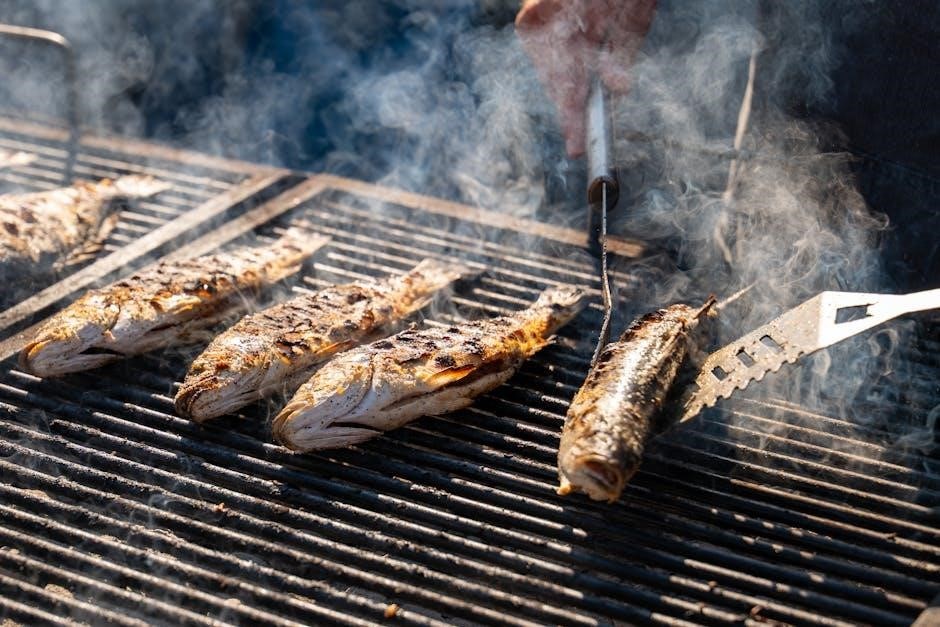
Cooking techniques are essential for preparing delicious and safe meals. Sautéing involves quick cooking in a pan with oil, ideal for vegetables and meats. Boiling uses liquid to cook foods like pasta or eggs, while steaming preserves nutrients in vegetables. Roasting utilizes dry heat in an oven for even cooking of meats and vegetables. Grilling adds a smoky flavor to foods like burgers or fish. Frying can be pan-frying or deep-frying, creating crispy textures. Baking is great for dishes like cakes or casseroles. Each method requires proper temperature control and timing to ensure food safety and flavor. Mastery of these techniques enhances culinary skills and versatility in the kitchen.
Tools and Equipment
Essential tools and equipment are vital for efficient cooking. A chef’s knife is a primary tool for chopping and slicing ingredients. Cutting boards provide a clean surface for food preparation. Pots, pans, and baking sheets are fundamental for various cooking methods. Measuring cups and spoons ensure accurate ingredient proportions. Wooden spoons, spatulas, and tongs are ideal for mixing and flipping foods. Appliances like ovens, stovetops, and microwaves are central to meal preparation. Blenders and food processors simplify tasks like pureeing or chopping. Proper tools enhance cooking safety and efficiency, making the culinary process more enjoyable and effective. Always maintain and store equipment correctly to prolong their lifespan and performance.
Meal Planning
Meal planning is crucial for efficient cooking, helping to organize time, reduce waste, and ensure balanced nutrition. It streamlines grocery shopping and budgeting, promoting healthier habits.
Menu Creation
Menu creation involves designing a list of meals for a specific period, ensuring variety, nutrition, and flavor. It helps in organizing cooking tasks and ingredient needs. Start by assessing dietary preferences, allergies, and ingredient availability. Plan balanced meals with proteins, vegetables, and whole grains. Consider meal prep options to save time during busy days. Include a mix of familiar dishes and new recipes to keep meals exciting. Finally, review and adjust the menu to ensure it aligns with budget and schedule constraints. A well-planned menu reduces food waste and streamlines grocery shopping. It also promotes healthy eating by incorporating diverse nutrients and flavors into daily meals.
Shopping List
A shopping list is a detailed record of ingredients and supplies needed for meal preparation. It helps ensure that all necessary items are purchased, reducing the risk of missing key ingredients. Start by reviewing the planned menu and identifying each required item. Organize the list by grocery store sections (e.g., produce, meats, dairy) to streamline shopping. Check pantry staples to avoid duplicate purchases. Include quantities to prevent overbuying. Stick to the list to stay within budget and minimize impulse purchases. A well-organized shopping list saves time, reduces food waste, and ensures meals are prepared efficiently. It also helps in maintaining a balanced diet by prioritizing essential ingredients.
Shopping and Budgeting
Shopping and budgeting are essential for efficient cooking. Plan meals, compare prices, and use coupons to stay within budget. Avoid impulse buys and save money.
Budgeting Tips
Effective budgeting is crucial for managing cooking expenses. Start by planning meals for the week to avoid waste and overbuying. Make a shopping list and stick to it to prevent impulse purchases. Buy in bulk for non-perishable items like grains, beans, and spices, as they often cost less per unit. Opt for seasonal produce, as it’s typically cheaper and fresher. Compare prices at different stores or online to find the best deals. Consider using coupons or cashback apps for groceries. Avoid pre-cut or processed foods, which are usually more expensive than whole ingredients. Finally, track your spending to identify areas for savings and adjust your budget accordingly.
Ingredient Selection
Choosing the right ingredients is essential for successful cooking. Always opt for fresh, seasonal produce, as it ensures better flavor and texture while being cost-effective. When selecting meats, consider the cut and quality, ensuring they are suitable for your recipe. For seafood, look for freshness by checking for clear eyes, firm texture, and a pleasant smell. Dairy products should be checked for expiration dates, and eggs should be free of cracks. Read labels to avoid added preservatives or excessive sodium. Store ingredients properly to maintain freshness, and plan meals around what you already have to reduce waste. Understanding ingredient quality and variety is key to creating delicious and nutritious meals.
Outdoor Cooking
Outdoor cooking involves grilling, camping stoves, and fire pit methods. Ensure equipment safety, proper food handling, and storage to prevent contamination and spoilage during adventures.

Methods and Safety
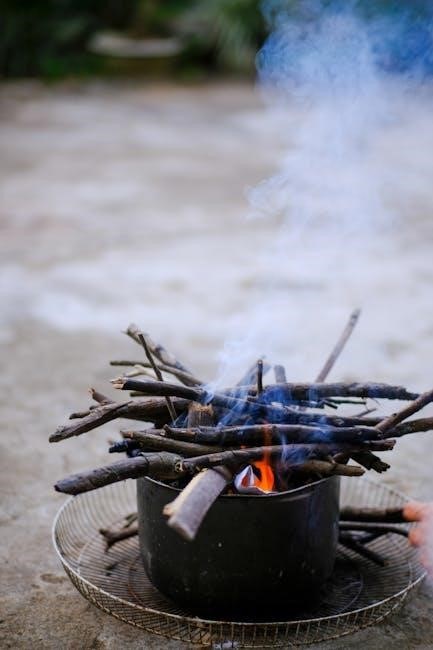
Outdoor cooking methods like grilling, Dutch oven, and camping stoves require proper safety measures. Always use fire rings, keep water nearby, and ensure food is handled safely to avoid contamination. Properly store food to prevent wildlife attraction. Regularly clean utensils and equipment to maintain hygiene. Follow local fire safety guidelines and fully extinguish flames before leaving. Use thermometers to ensure meat is cooked to safe temperatures. Keep raw and cooked foods separate to prevent cross-contamination. Store perishables in insulated containers with ice packs. Dispose of waste correctly to protect the environment. Always follow Leave No Trace principles when cooking outdoors.
Equipment and Gear
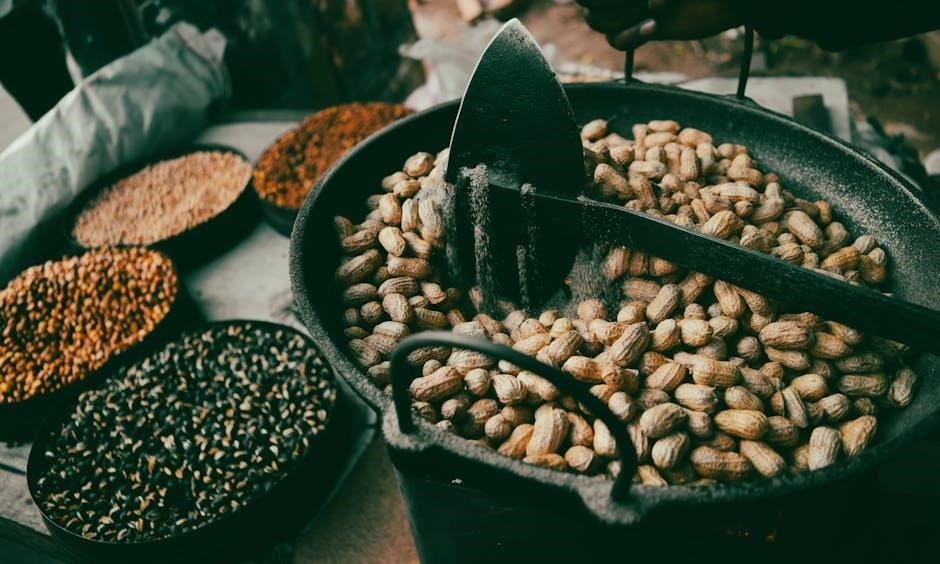
Outdoor cooking requires durable and portable equipment. Essential items include lightweight camping stoves, grills, or portable fire pits. Durable cookware like stainless steel or titanium pots and pans is ideal for rugged conditions. Utensils such as multi-tools or folding sporks are practical. Food storage containers with tight seals prevent wildlife attraction and spoilage. Insulated coolers with ice packs keep perishables fresh. Camping-specific accessories like aluminum foil, reusable wraps, and a camping thermometer are also useful. A reliable water source or water filtration system is crucial for cleaning and drinking. Don’t forget lighting, such as headlamps or lanterns, for visibility while cooking in the dark.
A first aid kit, fire starters, and a cooking glove or tongs complete the setup, ensuring safety and efficiency while preparing meals outdoors.
Special Diets
Special diets cater to specific needs, ensuring safe and enjoyable meals for individuals with restrictions. They address allergies, cultural preferences, and health conditions, promoting inclusivity and well-being.
Vegetarian and Vegan
Vegetarian and vegan diets focus on plant-based foods, excluding meat and animal products. Vegetarians may consume dairy and eggs, while vegans avoid all animal-derived ingredients. These diets emphasize fruits, vegetables, whole grains, legumes, and nuts. Key considerations include ensuring adequate protein intake through sources like beans, lentils, and tofu. Vegan diets often require attention to vitamin B12 supplementation, as it is primarily found in animal products. Meal planning for these diets involves creative substitution of animal-based ingredients and exploring diverse flavors. Understanding these dietary preferences is essential for accommodating individuals with lifestyle or ethical choices. Proper knowledge ensures balanced and nutritious meals for vegetarians and vegans alike.
Food Allergies
Food allergies are immune system reactions to specific ingredients, potentially causing severe health issues. Common allergens include peanuts, tree nuts, milk, eggs, fish, shellfish, wheat, and soy. Symptoms range from mild discomfort to life-threatening anaphylaxis, requiring immediate medical attention. Cross-contamination during cooking can trigger reactions, so proper cleaning and separation of utensils and surfaces are critical. Always read food labels carefully to identify allergens. When cooking for others, communicate openly about ingredients to ensure safety. Understanding food allergies is vital for creating inclusive and safe dining experiences. This knowledge helps prevent accidents and accommodates individuals with specific dietary needs effectively.
Presentation and Plating
Presentation enhances the dining experience by making meals visually appealing. Balance, color, and creativity are key to making dishes attractive and inviting, ensuring a memorable culinary experience.
Visual Appeal
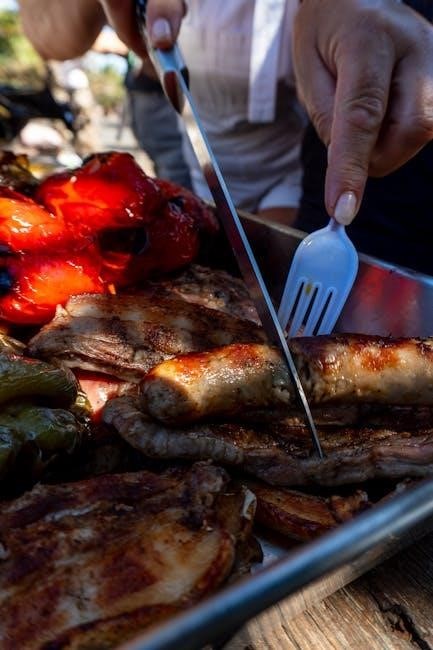
Visual appeal is crucial in cooking, as it enhances the dining experience. A well-presented dish attracts the eye, stimulates appetite, and reflects the cook’s skill. Key elements include balance, color contrast, and symmetry. Garnishes like herbs, edible flowers, or sauces can elevate a plate’s aesthetic. Arranging ingredients thoughtfully, such as layering or creating patterns, adds visual interest. Cleanliness and portion control also contribute to a polished look. Even simple dishes can impress when presented neatly. Remember, the first impression of a meal is often visual, making presentation a vital step in the cooking process. Practicing plating techniques can transform ordinary meals into extraordinary ones, showcasing creativity and attention to detail.
Garnishing
Garnishing is the art of adding decorative elements to dishes to enhance their visual appeal and flavor. Common garnishes include fresh herbs like parsley, basil, or rosemary, citrus zest, edible flowers, and microgreens. These additions not only add color but also provide freshness and texture. For example, a lemon wedge or sprinkle of paprika can transform a simple dish into a visually appealing one. When garnishing, choose ingredients that complement the dish’s flavor profile. Freshness is key, as wilted or brown garnishes can detract from the presentation. Properly prepared garnishes, such as finely chopped herbs or neatly sliced citrus, ensure a professional finish. This technique is a final touch that elevates both homemade and restaurant dishes.
Personal Reflection
Cooking fosters creativity, patience, and self-expression. It teaches essential life skills, promotes healthy eating, and builds confidence in the kitchen. Reflecting on progress inspires continued growth and exploration of new culinary interests.
Hobby and Lifestyle
Cooking can become a fulfilling hobby, offering endless opportunities for creativity and experimentation. It allows individuals to explore diverse cuisines and flavors, fostering a deeper appreciation for food and culture. As a lifestyle, cooking encourages healthy eating and self-sufficiency, helping individuals take control of their nutrition and well-being. Balancing cooking with other activities promotes a holistic approach to life, emphasizing the importance of nourishment and enjoyment. For those earning the Cooking Merit Badge, this journey often sparks a lifelong passion, turning cooking into a cherished pastime that brings joy and satisfaction. It also provides a platform for sharing meals with others, strengthening social bonds and creating lasting memories.
Future Interests
Earning the Cooking Merit Badge often sparks curiosity and ambition in scouts, inspiring them to explore advanced culinary techniques and global cuisines. Many develop a desire to specialize in specific cooking styles, such as baking, grilling, or international dishes. Others may pursue careers in the food industry, including chef positions or food science. The skills gained through this badge provide a strong foundation for experimenting with new recipes and ingredients. Scouts may also become interested in food photography, culinary writing, or hosting cooking events. The merit badge fosters a lifelong passion for cooking, encouraging continuous learning and creativity in the kitchen. It opens doors to endless possibilities for personal and professional growth.
Requirements and Resources
Earning the Cooking Merit Badge requires completing specific cooking tasks and demonstrating safety knowledge. Scouts must prepare meals, understand nutrition, and follow proper food safety practices. Official resources, such as the merit badge workbook or guide, provide detailed requirements and evaluation criteria. Scouts should use these resources to track progress and ensure all requirements are met. Additional materials, like recipe guides or safety checklists, may also be helpful for successful completion. Always refer to official guidelines for the most accurate and up-to-date information.
Official Requirements
Earning the Cooking Merit Badge involves fulfilling specific requirements outlined by official guidelines. Scouts must demonstrate proficiency in food safety, meal preparation, and nutrition. They are required to cook a variety of dishes, including breakfast, lunch, and dinner, using different methods like baking, grilling, and frying. Additionally, they must understand meal planning, budgeting, and proper food storage. Scouts should complete these tasks under supervision and document their progress in a workbook. Official requirements also emphasize understanding dietary restrictions and cultural influences on cuisine. Completing these tasks shows mastery of essential cooking skills and knowledge. Always refer to the official merit badge workbook for detailed criteria and evaluation standards.
Merit Badge Workbook
The Cooking Merit Badge Workbook is a structured guide designed to help Scouts track their progress and document completion of requirements. It includes sections for recording meal plans, cooking techniques, and safety protocols. Scouts can use the workbook to outline their understanding of nutrition, budgeting, and food preparation methods. It also provides space for reflection on cooking experiences and cultural influences on cuisine. The workbook ensures Scouts stay organized and prepared for evaluation. Many workbooks are available as downloadable PDFs, offering convenience and accessibility. By completing the workbook, Scouts demonstrate their mastery of essential cooking skills and knowledge required for the merit badge. It serves as a comprehensive tool for achieving the badge successfully.
The Cooking Merit Badge worksheet PDF guides Scouts in mastering culinary skills, emphasizing safety and creativity. Completing it fosters confidence and a lifelong appreciation for cooking essentials.
Final Thoughts
Completing the Cooking Merit Badge worksheet PDF is a rewarding experience that equips Scouts with essential culinary knowledge and practical skills. The program fosters independence, creativity, and a deeper appreciation for the art of cooking. By mastering meal preparation, food safety, and nutrition, Scouts gain confidence in the kitchen. The worksheet serves as a comprehensive guide, helping them understand the importance of quality ingredients and proper techniques. It also encourages experimentation and sharing meals with others, fostering community and joy. Ultimately, this merit badge prepares young cooks to make informed decisions about their diet and lifestyle, setting a strong foundation for lifelong culinary exploration and appreciation. The sense of accomplishment upon completion is a testament to their hard work and dedication to learning this valuable life skill.
Continuous Learning
Continuous learning is essential for mastering cooking skills and staying updated on culinary trends. Scouts can explore advanced techniques, experiment with new ingredients, and refine their methods by practicing regularly. The Cooking Merit Badge worksheet PDF encourages Scouts to seek additional resources, such as cookbooks, online tutorials, or cooking classes, to deepen their understanding. By embracing a growth mindset, Scouts can continuously improve their abilities and adapt to new challenges in the kitchen. Learning to cook is a lifelong journey, and fostering a love for culinary exploration ensures that Scouts will remain curious and innovative in their cooking endeavors.