The Hayward Super Pump is a high-efficiency‚ durable pool pump designed for reliable performance. Proper installation ensures optimal energy savings‚ quiet operation‚ and extended equipment lifespan‚ enhancing pool safety and enjoyment.
1.1 Overview of Hayward Super Pump
The Hayward Super Pump is a high-performance‚ energy-efficient pool pump designed for residential and commercial use. Known for its durability and reliability‚ it features a robust construction with advanced hydraulic design for optimal water flow. The pump is available in various horsepower options‚ catering to different pool sizes and needs. Its user-friendly design includes easy-to-service components and a see-through strainer cover for convenient maintenance. The Hayward Super Pump is also compatible with saltwater and traditional chlorine systems‚ making it versatile for various pool environments. Its quiet operation and long-lasting performance make it a preferred choice among pool owners seeking a dependable and efficient pumping solution.
1.2 Importance of Proper Installation

Proper installation of the Hayward Super Pump is crucial for ensuring optimal performance‚ safety‚ and longevity. Incorrect installation can lead to reduced efficiency‚ increased energy costs‚ and potential system damage. It also voids the manufacturer’s warranty and poses safety risks‚ such as electrical hazards or equipment failure. A well-installed pump ensures smooth operation‚ minimal noise‚ and reliable water circulation‚ which are essential for maintaining clean and safe pool conditions. Additionally‚ proper installation prevents premature wear and tear‚ reducing the need for frequent repairs and extending the pump’s lifespan. Adhering to installation guidelines ensures the pump operates as intended‚ providing years of trouble-free service.

Pre-Installation Steps
Before installing the Hayward Super Pump‚ ensure you have all necessary tools and materials. Prepare the site‚ follow safety guidelines‚ and review local codes for compliance.
2.1 Tools and Materials Needed
To install the Hayward Super Pump‚ you’ll need essential tools like wrenches‚ pliers‚ screwdrivers‚ and a multimeter. Materials include PVC pipes‚ fittings‚ glue‚ primer‚ seals‚ and electrical connectors. Safety gear like gloves and goggles is recommended. Ensure all items are compatible with the pump’s specifications for a secure and efficient setup.
2.2 Site Preparation and Safety Measures
Before installation‚ ensure the site is clear of debris and obstructions. Level the ground to prevent pump vibration and ensure proper drainage. Turn off power to the pool system and drain all water from the pipes. Wear protective gear like gloves and safety glasses. Check for any gas or chemical leaks nearby. Ensure the area is well-ventilated to avoid inhaling fumes. Follow local safety regulations and manufacturer guidelines to create a safe working environment. Proper preparation minimizes risks and ensures a smooth installation process.
2.3 Understanding Local Plumbing and Electrical Codes
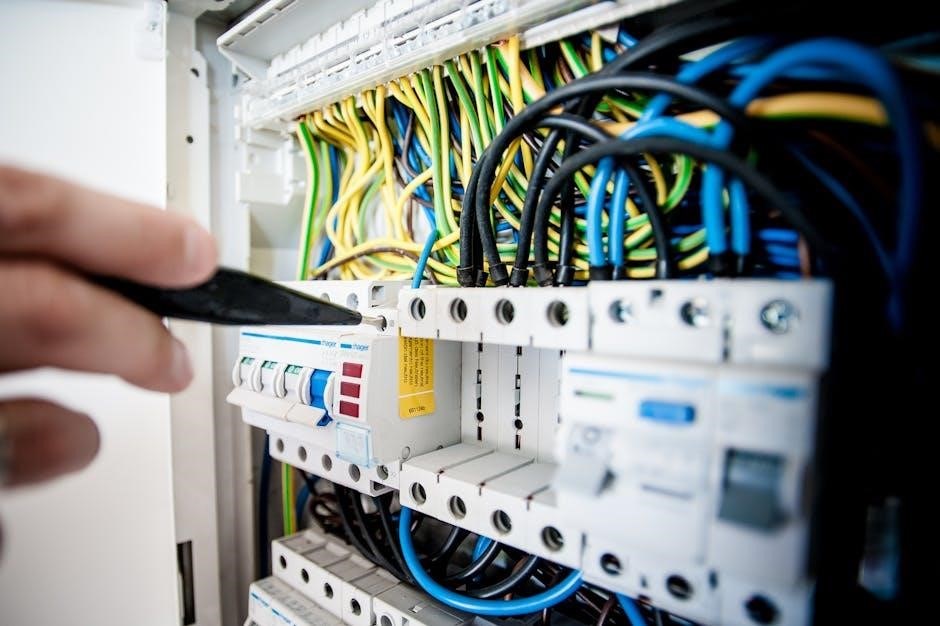
Adhering to local plumbing and electrical codes is crucial for a safe and compliant Hayward Super Pump installation. Research and understand the specific regulations in your area regarding pipe sizing‚ material selection‚ and electrical connections. Ensure all components meet code requirements for pressure‚ flow rates‚ and grounding. Familiarize yourself with permits needed and inspections required. Incorrect installations can lead to legal issues‚ safety hazards‚ or system malfunctions. Always consult local authorities or certified professionals if unsure. Compliance ensures reliability‚ efficiency‚ and safety‚ while also avoiding potential fines or rework. Proper adherence to codes guarantees a durable and trouble-free pool pump system. Plan accordingly to meet all legal and safety standards.
Installation Process
The Hayward Super Pump installation involves unpacking‚ mounting‚ and connecting plumbing and electrical components. Proper setup ensures efficient operation‚ safety‚ and longevity of the pool pump system.
3.1 Unpacking and Inspecting the Pump

Begin by carefully unpacking the Hayward Super Pump from its box‚ ensuring all components are included and undamaged. Inspect the pump for any signs of shipping damage‚ such as dents or cracks. Check the motor‚ impeller‚ and housing for any visible wear or defects. Verify that all necessary parts‚ like the strainer basket and gaskets‚ are present. Compare the contents with the packing list provided. If any damage or missing items are found‚ contact Hayward customer support immediately. Proper inspection ensures a smooth installation process and prevents future operational issues. Always refer to the manual for specific unpacking instructions.
3.2 Mounting the Pump
Mounting the Hayward Super Pump requires a stable‚ level surface to ensure proper operation. Place the pump on a concrete pad or sturdy base‚ ideally near the pool equipment area. Use the provided mounting feet or adaptors to secure the pump‚ ensuring it is level and plumb. Tighten all bolts firmly but avoid over-tightening‚ which could damage the pump. Ensure the pump is positioned to allow adequate airflow for cooling and easy access for maintenance. If installing near other equipment‚ maintain recommended clearance distances. Proper mounting prevents vibration and noise‚ ensuring efficient and quiet operation. Always follow the manufacturer’s guidelines for specific mounting requirements.

3.3 Connecting Plumbing Lines
Connecting plumbing lines to the Hayward Super Pump requires precision to ensure leak-free operation. Begin by attaching the suction and discharge pipes to the pump’s inlet and outlet ports‚ using the correct pipe sizes and materials (e.g.‚ PVC or flex pipes). Ensure all connections are secure and aligned properly with the pump’s ports. Use Teflon tape or pipe dope on threaded connections to prevent leaks. Tighten all fittings firmly but avoid over-tightening‚ which could damage the threads. Once connected‚ inspect all joints for leaks. Proper plumbing ensures efficient water flow and prevents damage to the pump. Always follow the manufacturer’s recommendations for pipe sizing and material compatibility.
3.4 Electrical Connections
Proper electrical connections are critical for the Hayward Super Pump’s safe and efficient operation. Begin by ensuring the power supply matches the pump’s voltage and horsepower requirements. Turn off the power at the circuit breaker before starting. Connect the pump’s electrical wires to the designated terminals‚ ensuring correct wire sizing and type. Use a Ground Fault Circuit Interrupter (GFCI) to protect against electrical shocks. Secure all connections tightly and double-check for loose wires. Refer to the pump’s manual for specific wiring diagrams. If unsure‚ consult a licensed electrician to avoid hazards. Proper electrical setup ensures reliable performance and prevents potential safety risks. Always follow local electrical codes and safety guidelines.
3.5 Priming the Pump
Priming the Hayward Super Pump ensures proper water flow and prevents damage from air pockets. Begin by turning off the pump and allowing it to cool. Open the air bleeder valve located on the pump housing to release trapped air. Slowly pour water into the pump volute through the strainer basket until it is fully submerged. Replace the basket and close the bleeder valve. Turn on the pump and check for leaks. Allow the pump to run for a few minutes to ensure smooth operation. If air bubbles persist‚ repeat the process. Proper priming ensures efficient performance and prevents motor damage. Always follow the manufacturer’s guidelines for priming procedures.
3.6 Initial Start-Up and Testing
After completing the installation‚ turn on the Hayward Super Pump and monitor its performance. Check for any leaks around connections and ensure all valves are properly aligned. Observe the water flow to confirm it meets your pool’s requirements. Listen for unusual noises‚ as they may indicate air pockets or misalignment. Allow the pump to run for 10-15 minutes to assess its operation. Verify that the pressure gauge shows normal readings. If the pump runs smoothly without issues‚ the installation is successful. If problems arise‚ refer to the troubleshooting section or consult a professional. Proper start-up ensures the pump operates efficiently and safely. Always follow the manufacturer’s guidelines for initial testing procedures.
Configuration and Settings
Configure the Hayward Super Pump by programming the timer‚ adjusting speed and pressure settings‚ and integrating with pool automation systems for optimized performance and energy efficiency.
4.1 Programming the Pump Timer
Programming the Hayward Super Pump timer involves setting specific on/off cycles to optimize energy use and pool operation. Start by accessing the control panel and selecting the desired schedule. Choose between preset modes or customize runtime durations to suit your pool usage. Ensure the timer aligns with your pool’s filtration needs‚ typically 8-12 hours daily. Adjust settings based on factors like pool size‚ usage frequency‚ and seasonal changes. Proper programming enhances energy efficiency‚ reduces wear on the pump‚ and ensures consistent water circulation. Always refer to the user manual for detailed instructions and troubleshooting tips to maximize the pump’s performance and longevity.

4.2 Adjusting Pump Speed and Pressure
Adjusting the Hayward Super Pump’s speed and pressure ensures efficient operation and system balance. Start by accessing the control panel to modify speed settings‚ typically measured in RPMs. Lower speeds reduce energy consumption and noise‚ while higher speeds improve circulation. Monitor pressure gauges to ensure optimal flow rates‚ avoiding excessive pressure that could strain the system. Use the provided adjustment tools to fine-tune settings‚ referencing the user manual for guidance. Proper calibration enhances energy efficiency‚ reduces wear on components‚ and maintains consistent water flow. Regular adjustments ensure the pump operates within recommended parameters‚ prolonging its lifespan and maintaining peak performance for your pool system.
4.3 Integrating with Pool Automation Systems
Integrating the Hayward Super Pump with pool automation systems enhances control and efficiency. Ensure compatibility by checking system requirements and connectors. Connect the pump to the automation hub using provided interfaces or adapters. Configure settings through the automation panel or app to synchronize pump operation with other pool devices. Set custom schedules‚ speed adjustments‚ and pressure levels for optimal performance. Remote monitoring and control offer convenience‚ allowing adjustments from a smartphone. Proper integration ensures seamless operation‚ energy savings‚ and extended equipment lifespan. Always follow manufacturer guidelines for compatibility and configuration to avoid system conflicts and maintain warranty validity. Regular updates to automation software ensure enhanced functionality and security.
Maintenance and Troubleshooting
Regular maintenance ensures the Hayward Super Pump operates efficiently. Inspect and clean filters‚ check for leaks‚ and monitor performance. Address issues promptly to prevent major repairs and extend lifespan.
5.1 Routine Maintenance Tasks
Regular maintenance is crucial for the Hayward Super Pump’s longevity. Start by inspecting and cleaning the filter cartridge monthly to ensure proper water flow. Check the pump basket and remove debris to prevent clogs. Lubricate the motor’s O-rings and seals every three months to maintain efficiency. Inspect electrical connections for wear or corrosion and replace any damaged components promptly. Additionally‚ monitor the pump’s pressure gauge to ensure it operates within the recommended range. Finally‚ perform a thorough cleaning of the pump housing and surrounding areas to prevent dirt buildup. These tasks ensure smooth operation and prevent costly repairs.
5.2 Common Issues and Solutions
Common issues with the Hayward Super Pump include low water flow‚ excessive noise‚ and leaks. Low flow can result from clogged filters or obstructed plumbing lines‚ which should be cleaned or cleared. Noise often indicates improper installation or worn-out parts‚ such as bearings or seals‚ which may need replacement. Leaks typically occur at connections or O-rings‚ requiring tightening or seal replacement. For persistent problems‚ refer to the troubleshooting guide or contact a professional. Regular maintenance‚ such as cleaning filters and inspecting connections‚ can prevent many of these issues. Addressing problems promptly ensures efficient operation and extends the pump’s lifespan.
5.3 When to Call a Professional
If you encounter complex electrical issues‚ severe leaks‚ or persistent operational problems with your Hayward Super Pump‚ it’s best to call a professional. DIY repairs can lead to further damage or safety hazards‚ especially with electrical components. Professionals have the expertise to diagnose and fix issues like faulty motors‚ damaged impellers‚ or incorrect installations. They can also ensure compliance with local codes and maintain warranty validity. Don’t hesitate to seek help for tasks beyond your skill level to avoid costly mistakes and ensure your pool system runs safely and efficiently. Prompt professional intervention can prevent minor issues from escalating into major repairs.

Safety Considerations
Ensure electrical safety by following installation codes‚ handle chemicals properly‚ and secure the pool area to prevent accidents. Always prioritize safety for a secure setup.

6.1 Electrical Safety Precautions
When installing the Hayward Super Pump‚ ensure all electrical connections comply with local codes and manufacturer guidelines. Always disconnect power before servicing. Use GFCI-protected circuits to prevent shocks. Keep the area dry to avoid electrical hazards. Never submerge the pump in water during installation. Proper grounding is essential to prevent electrical fires. Avoid overloading circuits‚ as this can cause malfunctions. Regularly inspect wires for damage or wear. If unsure‚ consult a licensed electrician to ensure safety and compliance with regulations. Adhering to these precautions minimizes risks and ensures a safe‚ efficient pump operation.
6.2 Chemical Handling and Storage
Proper handling and storage of pool chemicals are crucial for safety and efficiency. Always store chemicals in a cool‚ dry‚ well-ventilated area away from the Hayward Super Pump. Keep them out of reach of children and pets. Use original containers with tight-fitting lids and ensure labels are legible. Avoid mixing chemicals‚ as this can cause dangerous reactions. Wear protective gear like gloves and goggles when handling chemicals. Follow the manufacturer’s instructions for dosage and application. Dispose of empty containers and spills according to local regulations. Regularly inspect chemical levels and expiration dates to maintain pool water quality and safety. Proper storage prevents accidents and ensures optimal pump performance.
6.3 Child and Pet Safety Around the Pool
Ensuring child and pet safety around the pool is paramount. Always supervise children when they are near the pool‚ even if they know how to swim. Install a sturdy fence with a self-latching gate to prevent unauthorized access. Consider using pool alarms that detect movement in the water. Keep emergency equipment‚ such as a first aid kit and flotation devices‚ nearby. Teach children basic water safety skills and never leave toys or objects that could attract them to the pool area unsupervised. For pets‚ ensure they can exit the pool easily and restrict access when the pool is not in use. A safe environment protects loved ones and complements the Hayward Super Pump’s reliable operation.
Proper installation of the Hayward Super Pump ensures efficient‚ reliable‚ and safe pool operation. Regular maintenance and adherence to safety guidelines guarantee optimal performance and longevity of the system.
7.1 Final Checklists for Installation Success

To ensure a successful Hayward Super Pump installation‚ verify all connections are secure and properly sealed. Check electrical wiring for correct voltage and grounding. Inspect plumbing lines for leaks and ensure they are correctly sized. Confirm the pump is primed and operates smoothly. Test the system under full load to ensure proper flow rates and pressure. Review safety precautions‚ such as GFCI protection and proper ventilation. Ensure all components‚ like timers and automation systems‚ are programmed correctly. Finally‚ consult the user manual for any specific manufacturer recommendations and perform a final test run to confirm everything functions as expected.
7.2 Long-Term Benefits of Proper Installation
Proper installation of the Hayward Super Pump ensures long-term efficiency‚ reliability‚ and cost savings. A well-installed system reduces energy consumption‚ lowering utility bills over time. It also minimizes wear and tear on the pump and connected equipment‚ extending their lifespan. Correct setup prevents frequent repairs and maintenance‚ saving time and money. Additionally‚ proper installation enhances pool safety by ensuring all components function as intended‚ reducing the risk of accidents or system failures. A correctly installed pump also maintains consistent water circulation and sanitation‚ contributing to a cleaner and healthier pool environment. These benefits collectively provide peace of mind and long-term satisfaction for pool owners.