The Nikon D3300 manual offers a concise guide for beginners, covering setup, basic shooting modes, and essential features. It explains sensor details, lens compatibility, and menu navigation, ensuring users can quickly capture high‑quality images with confidence.Use the manuals for quick reference and help!OK.
Camera Body Overview
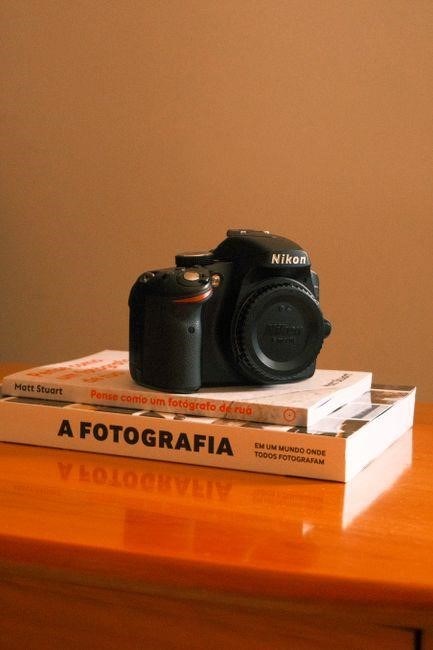
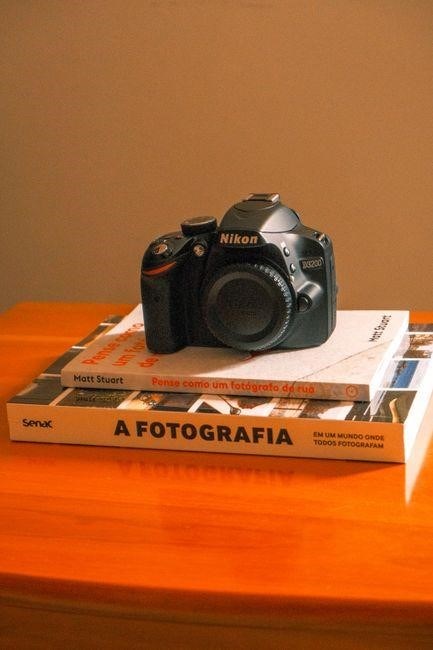
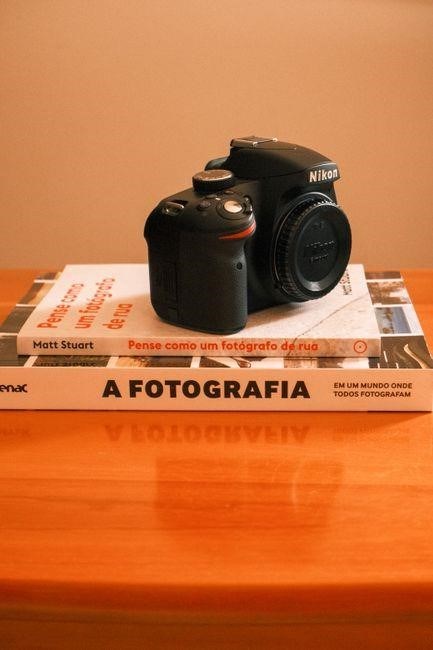
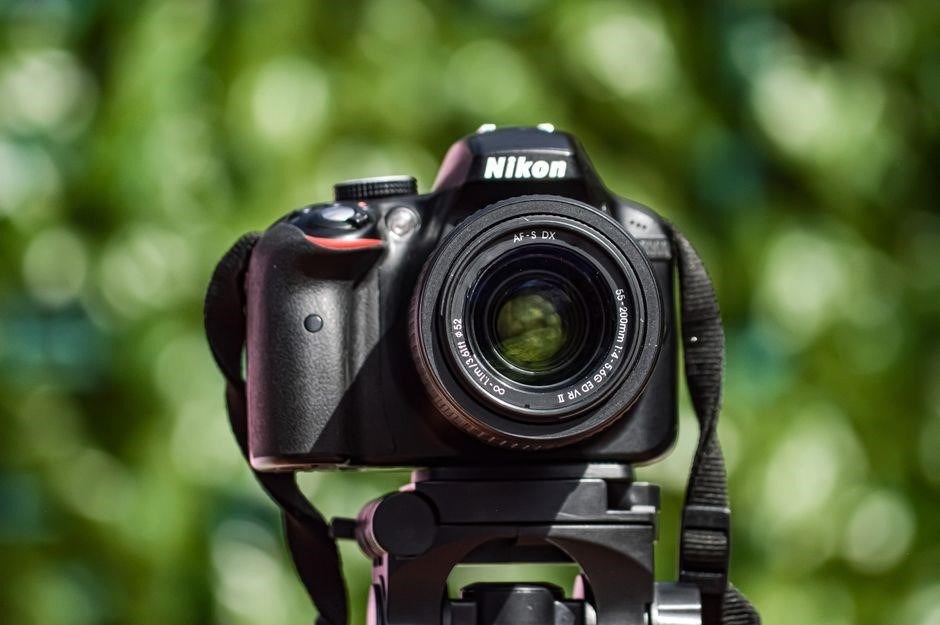
The Nikon D3300 manual highlights the camera’s compact, lightweight body, weighing just 0.73 lb (330 g) with the battery and card, making it ideal for travel and everyday shooting. Its ergonomic grip, molded from high‑strength polymer, provides a secure hold while keeping the overall size at 5.3 × 3.4 × 2.0 in (135 × 86 × 51 mm). The top plate features a multi‑function dial and a quick‑access shutter button, allowing rapid mode changes. A dedicated ISO button on the back lets users adjust sensitivity without navigating menus. The D3300’s 24.2‑megapixel DX‑format CMOS sensor, coupled with Nikon’s EXPEED 3 image processor, delivers sharp detail and low‑noise performance up to ISO 6400. The body’s 3‑point autofocus system, with 11 focus points, is sufficient for most portrait and landscape scenarios. A 3‑inch LCD with 921 k dots offers clear live‑view feedback, and a 3‑way tilting screen supports low‑angle and high‑angle shooting. The camera’s battery compartment houses the EN‑EL15 rechargeable Li‑ion battery, which offers approximately 1,200 shots per charge on the A mode. The D3300’s built‑in flash, located on the top plate, provides a 0‑to‑10 ft (0‑3 m) guide‑distance range. The rear panel includes a 3‑way mode dial, a 3‑button control cluster, and a dedicated shutter release. The D3300’s design also incorporates a dust‑and‑moisture‑resistant seal around the lens mount, ensuring reliable operation in varied conditions. For quick reference, the manuals provide a concise overview of these features, enabling users to master the camera body efficiently. Its robust build and intuitive controls make it reliable companion for novices and photographers.!
Essential Features and Specifications
The Nikon D3300 manual lists key specs: 24.2‑MP DX sensor, ISO 100‑6400, 3‑point AF, 1‑frame/s continuous, 3‑inch LCD, 921k dots, 3‑way mode dial, EN‑EL15 battery, 1,200 shots, 3‑way tilting screen, built‑in flash, 3‑point AF, EXPEED 3. 24‑bit RAW, 3‑frame burst, 1‑frame/s, 3‑way tilt,LCD, 1,200 shots, EXPEED 3.
Sensor and Image Quality
The Nikon D3300 manuals highlight the camera’s 24.2‑megapixel DX‑format CMOS sensor, offering a 6000×4000 pixel resolution that delivers sharp, detailed images with excellent dynamic range. The sensor’s back‑illuminated design improves low‑light performance, and the ISO range of 100–6400 (expandable to 25600) allows photographers to shoot in a wide variety of lighting conditions. Coupled with the EXPEED 3 image processor, the D3300 produces 24‑bit RAW files and JPEGs with minimal noise and accurate color reproduction.
Image quality is further enhanced by the 921‑k‑dot LCD, which provides a clear preview of exposure and focus. The camera’s 3‑point autofocus system, combined with the 3‑way tilting screen, enables precise focusing in challenging compositions. The D3300’s 1‑frame‑per‑second continuous shooting mode captures moments with sufficient speed for most everyday scenarios, while the 1,200‑shot battery life ensures extended shooting sessions. The manual also notes the camera’s 3‑frame burst capability for rapid sequences, though the D3300’s primary focus remains on delivering high‑resolution stills rather than high‑speed action.
Overall, the Nikon D3300 manuals emphasize the balance between user features and professional image quality, making it a choice for enthusiasts and newcomers alike. Thanks.
The manual also details the camera’s effective dynamic range, which reaches up to 12 stops, allowing photographers to retain detail in both shadows and highlights. The D3300’s noise performance is impressive, with a noise level of only 1.5% at ISO 6400 when using the 24‑bit RAW format. The EXPEED 3 processor also provides real‑time image processing, ensuring that JPEGs are rendered with accurate color balance and sharpness. Additionally, the camera’s 3‑point autofocus system supports both single‑shot and continuous‑shot modes, giving users flexibility in.
Lens Compatibility
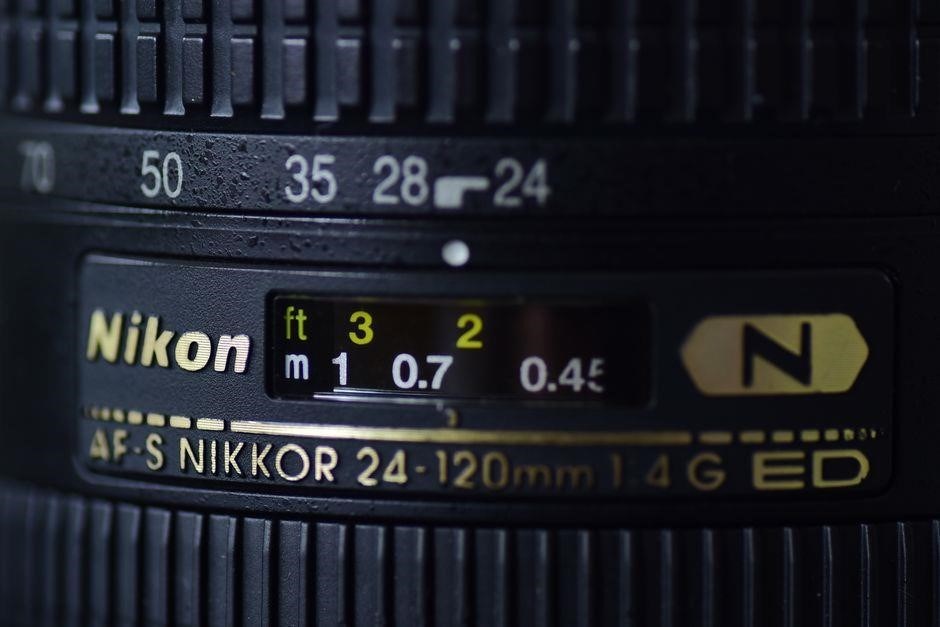
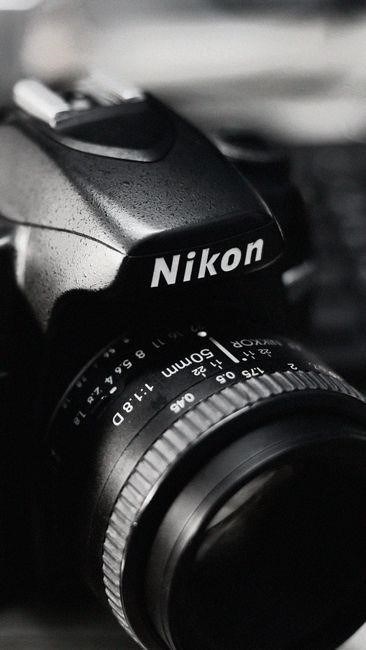
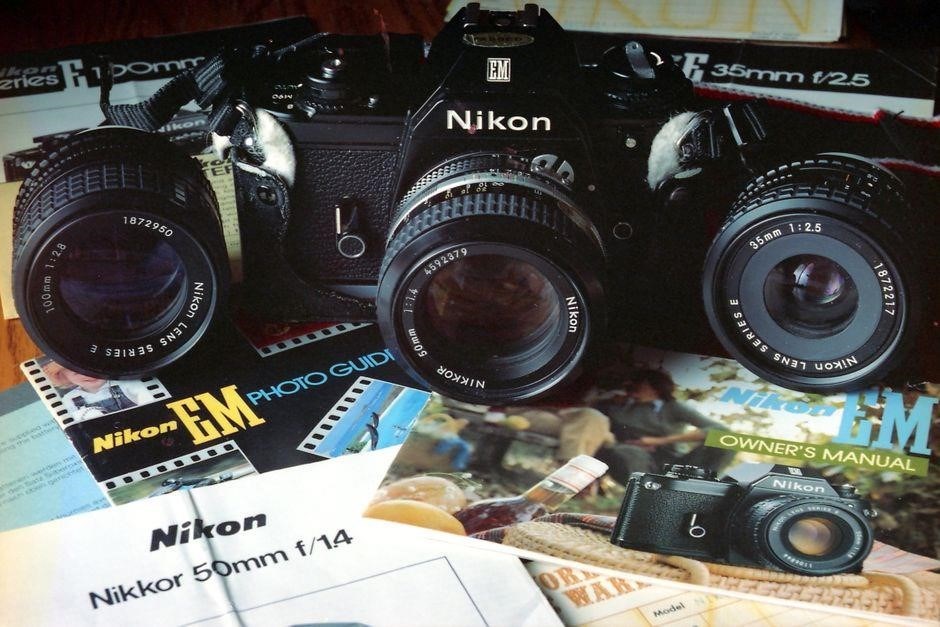
The Nikon D3300 manuals specify that the camera uses the Nikon F‑mount, allowing full compatibility with a wide range of Nikon lenses. The body is designed for DX‑format lenses, but it can accept full‑frame lenses, albeit with a 1.5× crop factor. Nikon’s autofocus system supports both AF‑S (supersonic waveguide) and AF‑P (silent waveguide) lenses, ensuring fast and quiet focusing in a variety of shooting scenarios. For photographers who prefer manual focus, the D3300 supports all manual‑focus lenses, including older Nikon Nikkor and Nikkor‑Z lenses, provided they have a compatible mount. The camera’s 3‑point autofocus system works seamlessly with prime lenses such as the 35 mm AF‑S and 50 mm AF‑S, as well as zoom lenses like the 18‑55 mm AF‑S and 70‑300 mm AF‑S. Additionally, the D3300 can use Nikon’s newer Z‑mount lenses through the optional Nikon Z‑mount adapter, enabling access to the latest high‑resolution optics. Lens compatibility extends to third‑party manufacturers such as Sigma, Tamron, and Tokina, which produce lenses that fit the F‑mount and provide reliable autofocus performance. The camera’s EXPEED 3 processor handles lens metadata, ensuring accurate exposure, white balance, and focus data are transmitted between the lens and the body. Users can also take advantage of Nikon’s Lens Meter feature, which displays real‑time focus distance and aperture information on the LCD screen. Overall, the D3300’s lens ecosystem offers flexibility for both beginner and advanced shooters, allowing them to build a versatile kit that meets their creative needs.
Because the D3300’s sensor is DX‑format, lenses with a 1.5× crop factor produce effective focal lengths for portrait and telephoto work. When using full‑frame lenses, the camera applies the crop, useful for wildlife photography. The D3300 supports Nikon’s 1.4× and 1.7× teleconverters on compatible AF‑S lenses, extending reach without sacrificing quality. For macro, the 105 mm AF‑S macro lens delivers sharp close‑ups. The 3‑point autofocus system works with these lenses, balancing speed and precision. Whether shooting bright daylight or low light, the D3300’s lens ecosystem remains reliable for quality and versatility. Users can also explore third‑party adapters!!

Getting Started: Setup and Basic Operation
The Nikon D3300 manual guides users through initial setup: insert battery, attach a compatible lens, and power on. Navigate the menu by pressing the Menu button, selecting Setup, then Language, and Time/Date. Use the Quick‑Menu for instant exposure settings. Connect via USB to transfer images. Use viewfinder.!
Powering On and Menu Navigation
Begin by inserting a fully charged battery into the compartment and attaching a compatible lens. Flip the power switch to ON; the first screen displays the date, time, and battery level. Press the Menu button to open the main interface. The menu is divided into tabs: Setup, Image, Drive, Custom, and Playback. Use the directional pad to move the cursor and the OK button to enter sub‑menus. In Setup, adjust language, time, date, and power‑on settings. The Image tab controls resolution, JPEG quality, and RAW format. Drive sets single, continuous, or self‑timer shooting. Custom offers user‑defined functions for quick access. The Mode Dial on the top selects shooting modes such as Auto, Program, Aperture Priority, Shutter Priority, and Manual. The Quick‑Menu, accessed by the i button, provides instant changes to exposure compensation, white balance, focus mode, and ISO. To view captured images, press the Playback button; use the Delete button to remove unwanted photos. For image transfer, connect the supplied USB cable to the camera’s port and the computer; the device appears as a removable drive. The camera’s menu system is designed for intuitive navigation, allowing customization for optimal performance. When first powered on, a splash screen shows the model name and firmware version, indicating battery status. The camera automatically enters the default shooting mode, which can be changed by rotating the mode dial. The Help icon provides on‑screen guidance whenever assistance is needed. To reset settings to factory defaults, navigate to the Setup tab, select Reset, and confirm. This restores all configurations to their original state, ensuring consistent performance after updates or repairs. Thanks
Connecting to Computer
To transfer images, connect the Nikon D3300 to a computer using the supplied USB cable. Insert the USB plug into the camera’s USB port and the other end into a USB 2.0 or 3.0 port on the PC. The camera will power on automatically and display a “USB mode” prompt. Press the OK button to confirm. The device appears as a removable storage drive named “Nikon” or “D3300”. Open the drive in Windows Explorer or Finder, navigate to the DCIM folder, and copy the 100ND3300 folder to your desktop. For RAW files, use Nikon’s Capture NX‑D or Nikon ViewNX‑D software, which can be downloaded from Nikon’s official website. These programs allow batch importing, RAW conversion, and basic editing. If you prefer a card reader, remove the SD card from the camera, insert it into a compatible reader, and connect it to the computer. The card will mount automatically. For Mac users, the camera may appear as a “Camera” icon in the Finder sidebar. Ensure the latest firmware is installed by checking the Setup menu for firmware updates. When finished, safely eject the drive or card before removing the USB cable to prevent data corruption. The D3300 also supports Wi‑Fi transfer via the Nikon Wireless Mobile Utility, but this requires a compatible smartphone and the app installed on both devices. Follow the on‑screen prompts to pair the camera and phone, then select images to send wirelessly. For large batches, the USB method remains the fastest and most reliable. Remember to back up files regularly to avoid accidental loss soon
Basic Shooting Modes
The Nikon D3300 manual outlines several shooting modes that cater to both novices and seasoned photographers. The Auto mode automatically selects exposure, white balance, and focus, making it ideal for quick snapshots. In Scene Intelligent Auto (SIA), the camera evaluates the scene and applies one of 12 preset scene types, such as Portrait, Landscape, or Night Scene, optimizing settings for each scenario. The Creative Auto mode offers a choice of creative filters—like Black & White, Sepia, or Vivid—while still handling exposure automatically. For more control, the Program (P) mode allows users to adjust the shutter speed or aperture after the camera has set the initial exposure. The Shutter Priority (S) mode fixes the shutter speed; the camera then selects the appropriate aperture to maintain correct exposure. Conversely, Aperture Priority (A) lets the photographer set the aperture, and the camera chooses the shutter speed. The Manual (M) mode gives full control over both aperture and shutter speed, ideal for advanced users who want to master exposure. Additionally, the D3300 supports Auto HDR for high dynamic range scenes, Live View for precise composition, and Movie mode for 1080p video capture. Use these modes for effortless shooting. By mastering these modes, users can quickly adapt to changing lighting conditions and creative requirements, ensuring consistently sharp and well‑exposed images.
Advanced Shooting Modes and Settings
The Nikon D3300 manual details advanced modes such as Manual, Shutter Priority, and Aperture Priority. It explains exposure compensation, ISO control, and white balance presets for precise image capture. Enjoy! now.
Exposure Control
The Nikon D3300 manual explains how to manage exposure using the camera’s built‑in controls. In Manual mode you set shutter speed, aperture and ISO independently, giving full creative freedom. In Shutter Priority (S) mode you choose a shutter speed and the camera automatically selects the appropriate aperture to maintain correct exposure. In Aperture Priority (A) mode you pick the desired aperture; the camera adjusts shutter speed accordingly.
Exposure compensation is available in all semi‑automatic modes. By pressing the +/- button you can brighten or darken the image in 1/3‑EV steps, up to ±3 EV. The Auto ISO feature allows the camera to adjust ISO automatically within a user‑defined range, keeping noise low while preserving shutter speed or depth of field.
Metering is handled by a 3‑zone matrix system that evaluates the entire frame, but you can switch to center‑weighted or spot metering for more precise control in challenging lighting. The Exposure Lock button (ISO button) locks the current exposure settings so you can recompose without changing exposure.
Finally, the Exposure Simulation display in viewfinder shows a preview of the exposure result, helping you to avoid over‑or under‑exposure before you press the shutter. Mastering these tools lets you capture sharp, well‑exposed images in any situation. Its exposure system balances speed and precision, allowing instant adaptation to any lighting for all shots.
Focus Modes
The Nikon D3300 manual describes three primary focus modes: Auto, One-Shot, and Continuous. In Auto mode, the camera selects the best focus point automatically, useful for general photography. One-Shot mode locks focus after a single shutter press, ideal for portraits and stationary subjects. Continuous mode continuously refocuses while the shutter button is half-pressed, perfect for moving subjects. Each mode can be paired with the 11 autofocus points, which are arranged in a 3×3 grid with a central point. The central point is the default focus point, but users can manually select any of the 11 points using the multi-selector or the focus point selection button. The D3300 also offers a “Dynamic” focus point selection, which keeps the focus point centered on the subject while allowing the camera to automatically shift focus points as the subject moves. For more precise control, the “Auto” focus point selection can be set to “Auto” or “Manual” in the menu. The camera’s focus mode can be changed quickly by pressing the “AF” button on the back of the camera or by using the quick menu. Additionally, the “Dynamic” mode supports focus area selection in “Dynamic” mode, allowing the photographer to lock the focus area while the camera tracks the subject. The manual also explains how to use the “Focus Assist” feature, which displays a focus area overlay on the viewfinder to help ensure accurate focus. By mastering these focus modes and settings, users can capture sharp images in a variety of shooting scenarios.Check focus settings in menu for best results now.!!
Maintenance, Troubleshooting, and manuals
Regular maintenance of the Nikon D3300 ensures reliable performance and extends the camera’s life. The manual recommends cleaning the sensor with a dedicated sensor‑cleaning kit, using a soft brush for dust removal and a microfiber cloth for the exterior. Keep the battery compartment dry and replace the battery when capacity drops below 20 %. Firmware updates are available on Nikon’s website; install them via the USB connection to fix bugs and improve compatibility with new lenses. If the camera fails to power on, check the battery and memory card contacts, and try a different card. For shutter or autofocus errors, perform a reset by selecting the “Reset” option in the Setup menu. Persistent image distortion or ghosting may indicate a sensor issue; in that case, contact Nikon support or a certified service center. The D3300’s LCD can be calibrated using the built‑in “LCD Calibration” tool, accessible from the Setup menu. For low‑light performance, enable the “ISO Auto” mode and use the “Auto ISO” setting to let the camera choose the optimal sensitivity. When encountering error codes, consult the troubleshooting section of the manuals, which lists common codes such as “E1” for sensor lock‑up and “E2” for power‑off errors. Always refer to the official Nikon D3300 manual PDF for detailed procedures, safety warnings, and warranty information. Proper care and timely troubleshooting will keep your camera shooting sharp and reliable for years to come.
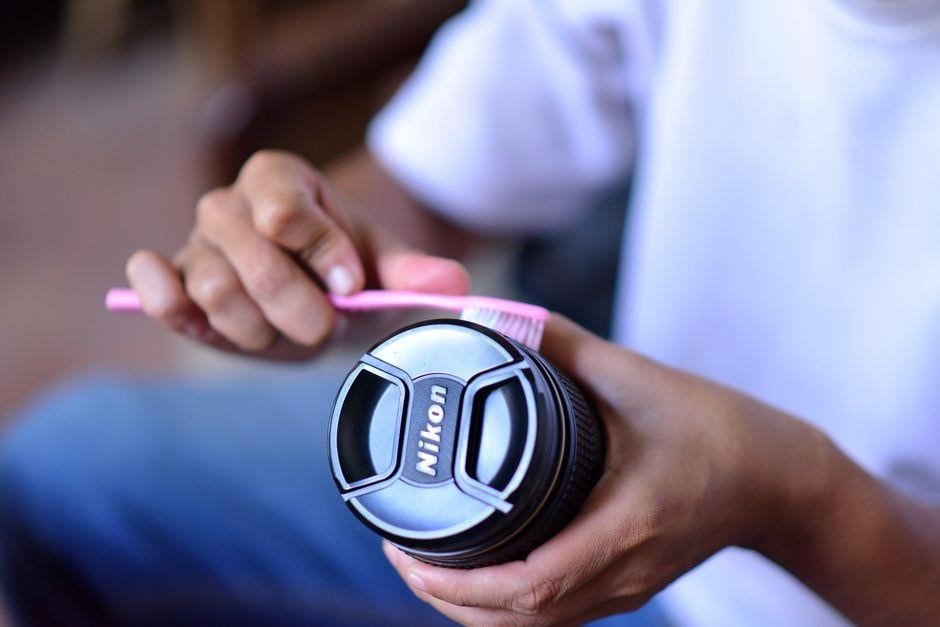
When cleaning lenses, use a lens cleaning solution and a microfiber cloth; avoid touching the glass with fingers. Use the original Nikon charger; cheap alternatives may damage the battery. Store the camera in a dry, temperature‑controlled environment. If the shutter click is delayed, check the shutter speed settings and ensure no mechanical obstruction. Use SD cards rated UHS‑I for best performance; format cards in camera before first use. The battery indicator light will flash when the battery is low; replace promptly to avoid data loss. Align the red dot on the lens with the red dot on the camera body when attaching lenses. Firmware updates may add new features such as RAW file support; always backup images before updating. Never use aerosol cleaners; they can damage the sensor. The manuals provide a troubleshooting flowchart for common issues, and keep the lens cap on when not shooting. Safe!